Before the Clouds Roll In: A 10-Step Pre-Monsoon Checklist for Arizona Homeowners
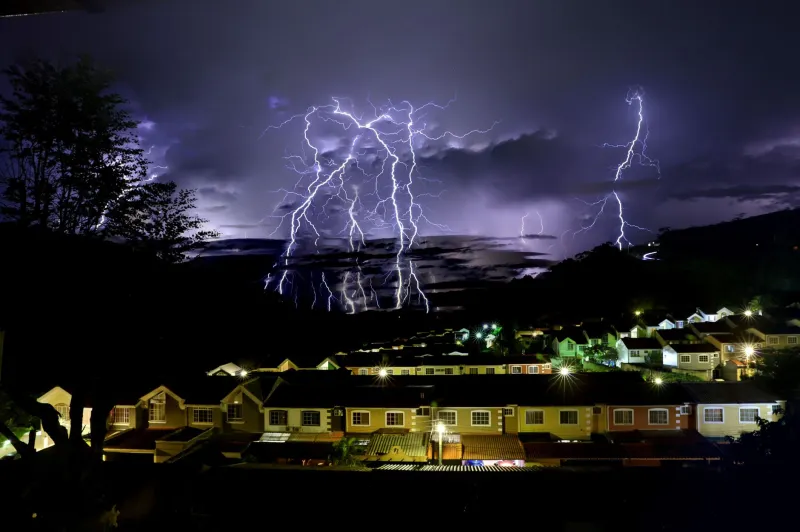
For those who have lived in Arizona long enough, the monsoon season carries a particular kind of anticipation. The skies turn a bruised shade of amber, the wind shifts, and the scent of rain—rare and precious in the desert Southwest—drifts across the valley. It is a season of genuine beauty. It is also a season of genuine risk.
Arizona's monsoon season, officially designated from June 15 through September 30 by the National Weather Service, delivers some of the most intense and localized rainfall events in the continental United States. Flash flooding, haboobs, lightning strikes, and sustained high winds routinely test the resilience of residential structures across the state—from the urban core of the Phoenix metro area to the mountain communities of Flagstaff and the border regions near Tucson.
At A-1 Recovery Services of Arizona, our busiest weeks consistently follow the season's most powerful storm systems. Over the years, we have observed a clear pattern: homes that were prepared before the season arrived fared significantly better than those whose owners had deferred maintenance or lacked a clear emergency plan. The following checklist is designed to help Arizona homeowners approach monsoon season with confidence and strategic readiness.
Step 1: Schedule a Professional Roof Inspection
Your roof is your home's primary defense against precipitation, and Arizona's intense UV exposure, extreme heat cycling, and occasional hail events can degrade roofing materials faster than in more temperate climates. Before monsoon season begins, have a licensed roofing contractor inspect your roof for cracked or missing tiles, deteriorated flashing around vents and chimneys, compromised sealants, and signs of existing moisture intrusion.
Flat roofs, common in Arizona residential construction, require particular attention. Ponding water—a condition where water pools on a flat roof surface—can overwhelm drainage systems during heavy rainfall events and lead to leaks or, in severe cases, structural loading that exceeds design tolerances.
Step 2: Clear and Inspect All Gutters and Downspouts
Arizona homeowners who have gutters often neglect them during the dry months, allowing debris, dust, and windblown material to accumulate. A clogged gutter during a monsoon storm can overflow rapidly, directing water toward the foundation of the home rather than away from it.
Ensure that downspouts extend at least four to six feet from the foundation and discharge onto surfaces that slope away from the structure. Consider installing gutter guards if debris accumulation is a recurring issue on your property.
Step 3: Assess Your Property's Grading and Drainage
The slope of the ground immediately surrounding your home determines where water travels during a heavy rainfall event. Ideally, the grade should slope away from the foundation at a rate of at least six inches over the first ten feet. If your yard has settled over time or landscaping has altered natural drainage patterns, water may be channeling toward your foundation rather than away from it.
Identify any low spots in your yard that tend to collect water and consider addressing them with fill material, French drains, or dry creek bed features that direct water toward appropriate discharge points.
Step 4: Inspect and Seal Foundation Cracks
Even minor cracks in a home's foundation or stem walls can become significant water intrusion pathways during sustained rainfall. Walk the perimeter of your home and examine the foundation for any visible cracking, spalling, or areas where the soil has pulled away from the structure. Small cracks can often be addressed with hydraulic cement or appropriate sealant products; larger or actively growing cracks warrant a structural engineer's evaluation.
Step 5: Trim Trees and Secure Outdoor Structures
Monsoon winds in Arizona frequently exceed 60 miles per hour, and in severe haboob events, gusts can be considerably stronger. Overhanging tree branches pose a direct risk to your roof, windows, and exterior walls. Have a certified arborist evaluate trees on your property for structural integrity, deadwood, and limbs that extend over the roofline.
Additionally, secure or store any outdoor furniture, shade structures, potted plants, and decorative items that could become airborne projectiles in high-wind conditions.
Step 6: Test Your Sump Pump (If Applicable)
While less common in Arizona than in wetter regions, sump pumps are installed in some homes in areas prone to basement or crawlspace flooding. If your home has one, test it before the season begins by pouring water into the sump pit and verifying that the pump activates and discharges properly. Consider a battery backup unit to ensure functionality during power outages, which frequently accompany severe monsoon storms.
Step 7: Review and Update Your Homeowner's Insurance Policy
Monsoon season is an opportune time to review your insurance coverage with your agent. Standard homeowner's insurance policies do not typically cover flood damage—that coverage requires a separate flood insurance policy, available through the National Flood Insurance Program (NFIP) or private insurers. If your home is in a designated flood zone, or if it has experienced flooding in the past, flood insurance is a critical safeguard.
Document your home's contents and condition with a current video walkthrough stored in a secure, off-site location or cloud service. This documentation is invaluable during the claims process following a storm event.
Step 8: Prepare an Emergency Supply Kit
A well-stocked emergency kit should be assembled and accessible before the season begins. At minimum, include: at least 72 hours of water (one gallon per person per day), non-perishable food, a battery-powered or hand-crank weather radio, flashlights with extra batteries, a first-aid kit, copies of important documents, and any prescription medications required by household members.
For families with pets, include supplies appropriate to their needs as well.
Step 9: Know Your Local Flood Risk and Evacuation Routes
Arizona's geography creates dramatic flash flood risk, particularly in areas near washes, arroyos, and canyon mouths. The Maricopa County Flood Control District and the Pima County Regional Flood Control District both provide online resources and flood maps for their respective service areas. Familiarize yourself with your property's flood risk designation and know the evacuation routes from your neighborhood.
The phrase "turn around, don't drown" is more than a slogan in Arizona—it is a life-saving directive. Never attempt to drive through flooded roadways, regardless of apparent depth.
Step 10: Identify a Trusted Restoration Partner in Advance
Perhaps the most practical step any homeowner can take is to establish a relationship with a reputable restoration company before an emergency occurs. In the aftermath of a major storm, restoration companies are in high demand, and response times can be extended for homeowners who are calling without a prior connection.
Saving the contact information for A-1 Recovery Services of Arizona in your phone, and understanding the services we provide, means that when a crisis does occur, you will not be searching for help in a moment of panic. You will know exactly who to call—and we will be ready to respond.
Monsoon season is an immutable feature of life in Arizona. The storms will come. The question is not whether your home will be tested, but how well-prepared it will be when that test arrives. Working through this checklist before the season begins is an investment in your property's resilience and your family's security—one that can yield significant dividends when the skies finally open.
For questions about storm preparedness, property vulnerability assessments, or post-storm restoration services, contact A-1 Recovery Services of Arizona. We are here to help Arizona homeowners prepare, respond, and recover.