After the Ash Settles: What Arizona Homeowners Must Know About Post-Fire Property Recovery
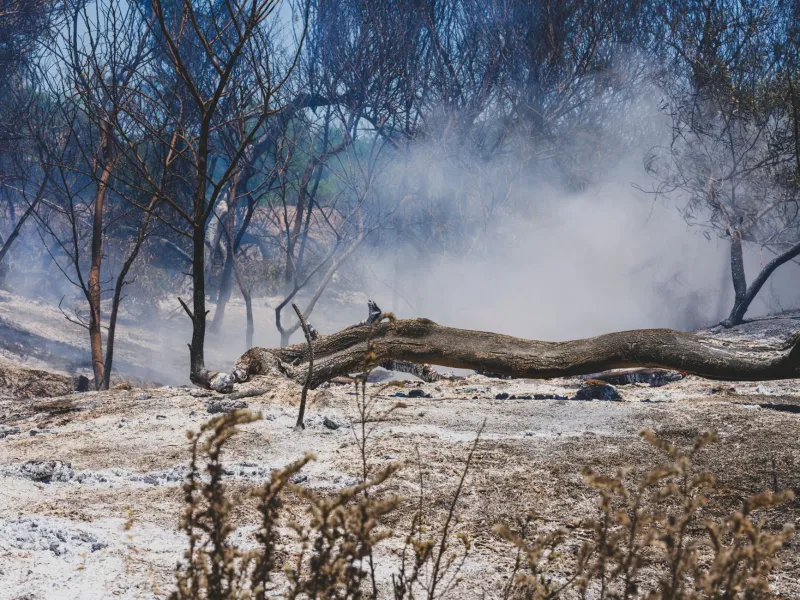
For many Arizona residents, the moment an evacuation order is lifted feels like the end of a crisis. The fire has moved on, the sky has cleared, and the instinct to return home and assess the situation is entirely understandable. But experienced restoration professionals will tell you something that often surprises homeowners: in many cases, the most consequential phase of fire-related property damage begins the day after the flames die down.
Arizona's wildfire season is one of the most intense in the nation, with thousands of acres burned annually across the Sonoran Desert, the Mogollon Rim, and communities stretching from Flagstaff to the outskirts of Tucson. Yet the conversation around fire damage frequently centers on properties that were directly consumed. The harder truth is that homes located miles from a fire's perimeter can sustain serious, long-term damage from smoke, ash, and airborne particulates—damage that becomes far more difficult to remediate the longer it goes unaddressed.
Why the Arid Climate Compounds Fire Residue Problems
Arizona's low humidity creates conditions that are uniquely hostile when it comes to fire aftermath. In wetter climates, rain eventually washes ash from surfaces and helps settle airborne particulates. In the desert Southwest, ash and soot can remain suspended in the air for extended periods, drifting across wide distances and settling into every unsealed gap, duct vent, and window frame a home has to offer.
Once inside, these particles do not simply dissipate. Soot is composed of carbon compounds, heavy metals, and volatile organic chemicals—byproducts of whatever materials burned in the fire. In an arid environment with limited natural flushing from rainfall or humidity, these residues can cling to surfaces, embed in porous materials like drywall and insulation, and circulate repeatedly through HVAC systems. The result is a slow, invisible contamination that homeowners may not recognize until health symptoms or structural deterioration make themselves known.
Identifying Damage Beyond the Obvious
The most visible signs of fire damage—charred siding, melted fixtures, blackened walls—are actually the easiest to identify and address. The more insidious damage is what professionals refer to as secondary fire damage, and it requires a trained eye to detect.
Homeowners returning to properties in or near fire-affected areas should be alert to the following indicators:
- Persistent odor: A smoky smell that lingers for days or weeks, even with windows open, suggests that soot has penetrated beyond surface materials. This odor is not merely unpleasant; it signals the presence of chemical residues that can be harmful with prolonged exposure.
- Discoloration on walls and ceilings: Yellowish or grayish staining—particularly near air vents, window seals, or light fixtures—often indicates soot migration through the home's envelope.
- Residue on HVAC filters: If your air filters appear gray or black shortly after being replaced, your system is actively circulating contaminated air. The ductwork itself may require professional cleaning.
- Corrosion on metal surfaces: Certain compounds released during combustion are highly acidic. Metal fixtures, appliances, and even structural fasteners can begin corroding within days of exposure if surfaces are not properly cleaned and neutralized.
- Soft or discolored exterior materials: Stucco, wood trim, and roofing materials that show unusual staining or texture changes may have absorbed acidic particulates that will continue to degrade the material over time.
The Health Dimension Arizona Families Cannot Ignore
Beyond structural concerns, the public health implications of fire residue in occupied homes are significant. Fine particulate matter from wildfires—particularly particles smaller than 2.5 microns, known as PM2.5—can penetrate deep into the respiratory system. For children, elderly residents, and anyone with asthma or cardiovascular conditions, prolonged indoor exposure to these particles presents serious health risks.
What makes the Arizona context particularly concerning is that many residents assume their sealed, air-conditioned homes provide adequate protection. In reality, recirculated indoor air that has been contaminated by soot infiltration can, in some cases, present higher concentrations of harmful particles than outdoor air in the immediate aftermath of a fire. Without professional air quality assessment and remediation, families may be unknowingly living in compromised conditions for months.
Properties Outside the Fire Zone Are Not Automatically Safe
One of the most persistent misconceptions among Arizona homeowners is that only properties directly threatened by flames require post-fire inspection. Smoke plumes from major wildfires routinely travel dozens of miles, depositing particulates on homes far removed from the burn area. If your community experienced visible smoke for multiple days during a fire event—even a distant one—your property warrants at minimum a preliminary assessment.
This is especially true for older homes with less airtight construction, properties with flat roofs common to desert architecture where ash can accumulate, and homes that were vacant or had windows open during the fire event.
Why Professional Assessment Matters—and When to Seek It
The temptation to handle post-fire cleanup independently is understandable. Many homeowners begin wiping down surfaces, vacuuming ash, and airing out rooms in the days following a fire. While these efforts are well-intentioned, improper cleaning techniques can actually drive soot deeper into porous surfaces, spread contamination to unaffected areas, and disturb settled particulates in ways that increase airborne exposure.
Professional restoration teams bring specialized equipment and protocols specifically designed for fire residue remediation. This includes thermal fogging, hydroxyl generation, and HEPA-filtered vacuuming systems that remove particulates without redistributing them. Duct cleaning, surface neutralization, and air quality testing are components of a comprehensive post-fire restoration plan that simply cannot be replicated with consumer-grade products.
At A-1 Recovery Services of Arizona, our approach to fire-affected properties begins with a thorough inspection that accounts for both direct and secondary damage. We understand that no two fire events are alike, and that the geography, construction type, and proximity of a given property all influence how contamination has occurred and what remediation pathway is most appropriate.
Timing Is a Critical Factor
One of the clearest lessons from post-fire restoration work is that delay consistently makes outcomes worse. Acidic soot compounds become more difficult to neutralize as they bond to surfaces over time. Odors that penetrate deeply into wall cavities require far more aggressive treatment after weeks of exposure than they would have in the first days following a fire. And HVAC systems that continue operating without cleaning can distribute contaminated air throughout a home for months before the problem is identified.
If you have any reason to believe your property has been affected by a wildfire—whether through visible damage, persistent odor, or simply proximity to a burn area—the most protective step you can take is to schedule a professional assessment promptly. Restoration is always more effective, and more affordable, when it begins early.
Arizona's wildfire season may end with the arrival of the monsoon rains, but the work of protecting and restoring your home extends well beyond that boundary. For families committed to genuinely recovering from a fire event—not just returning to a home that appears unchanged on the surface—understanding the full scope of post-fire damage is the essential first step.