Twelve Months of Risk: How Arizona's Dry Season Quietly Dismantles Your Home
There is a common misconception embedded in the phrase "dry season." For many Arizona homeowners, those words imply a period of relative calm—a stretch of months during which the most dramatic weather threats have passed and the home can breathe easy until the next monsoon cycle. That assumption, while understandable, is quietly costing Arizona families thousands of dollars every year.
The truth is that Arizona's arid climate does not pause its assault on residential structures simply because the rain has stopped. It merely changes tactics. The same extreme conditions that make this state unique—scorching summer temperatures, dramatic overnight temperature drops, bone-dry air, and expansive soils that shift with every moisture fluctuation—continue to exert tremendous force on your home's materials and systems throughout all twelve months of the year. Waiting until June to assess your property's integrity is not prudent planning. It is, in effect, a gamble with your most significant financial asset.
The Ground Beneath Your Feet Is Never Still
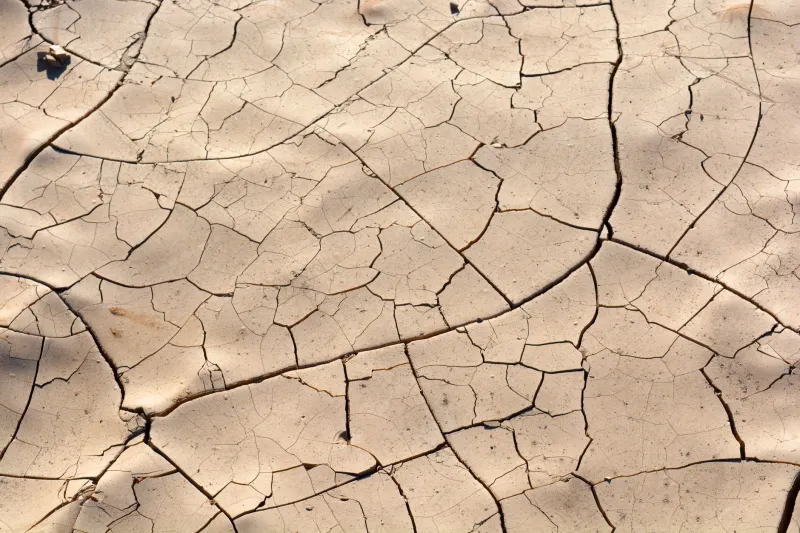
One of the least visible but most consequential forms of dry-season damage begins below the surface. Arizona's predominant soil composition includes a significant proportion of expansive clay, a material that swells when wet and contracts sharply when dry. During prolonged periods of low rainfall, the soil surrounding and beneath your foundation can lose substantial moisture content, causing it to pull away from the concrete slab or footings it once supported.
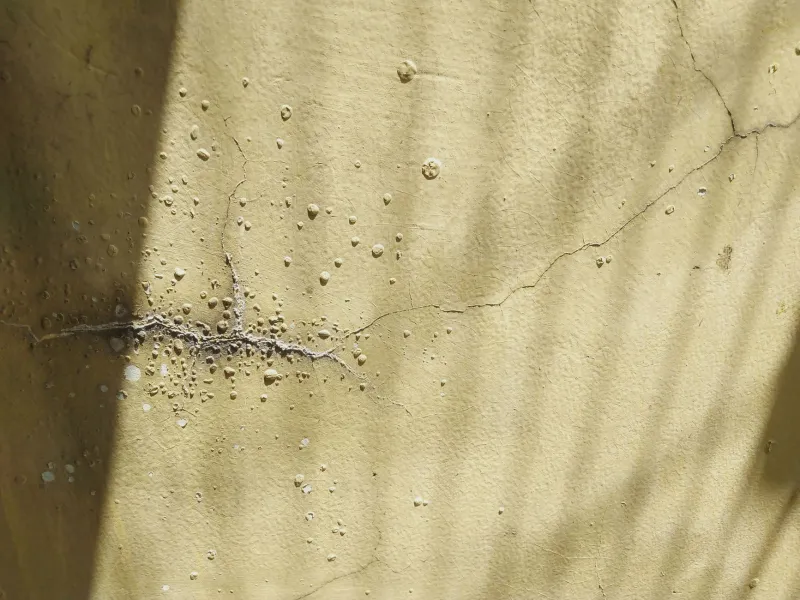
This process, known as differential settling, does not announce itself with a dramatic event. Instead, it reveals itself gradually—through hairline cracks along drywall seams, doors that no longer close flush, windows that stick or gap, and subtle slopes in flooring that were not there the previous year. Left unaddressed, these symptoms progress from cosmetic nuisances into structural vulnerabilities that become significantly more expensive to remediate once monsoon moisture returns and the soil expands again beneath an already-compromised foundation.
A professional structural assessment conducted in late winter or early spring—well before the summer heat reaches its peak—provides the clearest picture of what the previous year's cycles have done to your home's footing.
Roofing Materials Under Relentless Thermal Stress
Arizona's roofs endure conditions that would be considered extreme in virtually any other region of the country. During peak summer months, surface temperatures on asphalt shingles or flat membrane roofing can exceed 170 degrees Fahrenheit. At night, those same surfaces may cool by 50 degrees or more within a matter of hours. This relentless expansion and contraction cycle degrades roofing materials at an accelerated rate that is not always visible from ground level.
Cracks in membrane seams, loosened flashing around vents and chimneys, and granule loss on shingles are all byproducts of this thermal cycling. The critical issue is that these vulnerabilities develop during the dry season but only become apparent—often catastrophically—when the first significant monsoon rainfall arrives. A roof that looked serviceable in March may allow substantial water intrusion by July, leading to mold growth, insulation saturation, and ceiling damage that requires professional water damage restoration.
Scheduling a professional roof inspection between February and April, before temperatures climb to their most punishing levels, allows for repairs to be completed under manageable conditions and at a fraction of the emergency cost.
HVAC Systems: Pushed to the Limit, Then Forgotten
Arizona's cooling systems are among the hardest-working in the nation. During the dry season, when temperatures routinely exceed 110 degrees Fahrenheit across much of the state, residential HVAC units operate at or near maximum capacity for weeks at a time. The strain this places on compressors, coils, and ductwork is considerable.
What many homeowners do not anticipate is the secondary damage this strain can produce. Ductwork running through unconditioned attic spaces—where temperatures can reach 150 degrees or higher—is subject to the same expansion and contraction forces affecting the roof above it. Seals at duct joints can fail, allowing conditioned air to escape into the attic while simultaneously drawing in superheated, dust-laden air that reduces indoor air quality and forces the system to work even harder.
A compromised HVAC system does not simply represent an efficiency problem. In homes where ductwork passes near plumbing or where condensation drainage lines are improperly maintained, system failures can introduce moisture into wall cavities and subflooring—creating the conditions for mold colonization long before any monsoon storm arrives. Annual HVAC servicing, conducted before the peak cooling season begins, is one of the most cost-effective preventive measures an Arizona homeowner can take.
Plumbing Vulnerabilities in an Arid Environment
It may seem counterintuitive that plumbing failures are a significant concern during Arizona's dry months, but the relationship between extreme heat and residential water systems is well established. Prolonged exposure to high temperatures can accelerate the degradation of plastic supply lines, particularly in older homes where polybutylene or early-generation PEX piping may still be in use. UV exposure on any exterior plumbing components—including hose bibs, irrigation lines, and pool equipment connections—compounds this deterioration.
Additionally, the dramatic temperature differential between daytime highs and nighttime lows during Arizona's transitional seasons—late winter and early fall—can stress pipe joints and fittings in ways that go undetected until a joint fails. A slow leak behind a wall or beneath a slab may go unnoticed for weeks, saturating structural materials and creating ideal conditions for mold growth that only becomes apparent when a musty odor or visible staining finally prompts investigation.
Conducting a whole-home plumbing audit annually, with particular attention to supply line age and condition, is a straightforward measure that can prevent the kind of concealed water damage that becomes a significant restoration project.
A Seasonal Maintenance Framework That Actually Works
The most effective approach to property protection in Arizona is not a single annual inspection conducted in the weeks before monsoon season. It is a distributed maintenance calendar that assigns specific tasks to each season based on the unique stresses that season imposes.
January through March is the optimal window for foundation assessment, roof inspection, and plumbing system evaluation. Temperatures are manageable, and any issues identified can be addressed before the heat makes exterior work difficult and before spring storms introduce the first moisture of the year.
April through May should be devoted to HVAC servicing, attic insulation inspection, and window and door seal evaluation. This period offers the last opportunity to address thermal vulnerabilities before peak summer temperatures arrive.
September through November, following monsoon season, is the critical window for damage assessment. Even if your home appeared to weather the storms without incident, a professional inspection during this period can identify moisture intrusion, roof damage, and drainage issues before they compound through the winter months.
Vigilance Is the Foundation of Recovery Prevention
At A-1 Recovery Services of Arizona, we understand that the most successful recovery is the one that never has to happen. The homes we restore after significant damage events—whether from water intrusion, structural compromise, or storm impact—frequently show evidence of conditions that developed gradually over months or years before a triggering event made them impossible to ignore.
Arizona's climate demands a different standard of homeowner vigilance than most regions of the country. The dry season is not a reprieve. It is simply a different set of pressures operating on your home's systems and materials. Treating property maintenance as a year-round discipline rather than a seasonal reaction is the most reliable way to protect your investment, preserve your home's structural integrity, and ensure that when the monsoon clouds do roll in, your property is genuinely prepared to meet them.