The Aftermath You Don't See: How Arizona Monsoons Continue Damaging Homes Weeks After the Storm
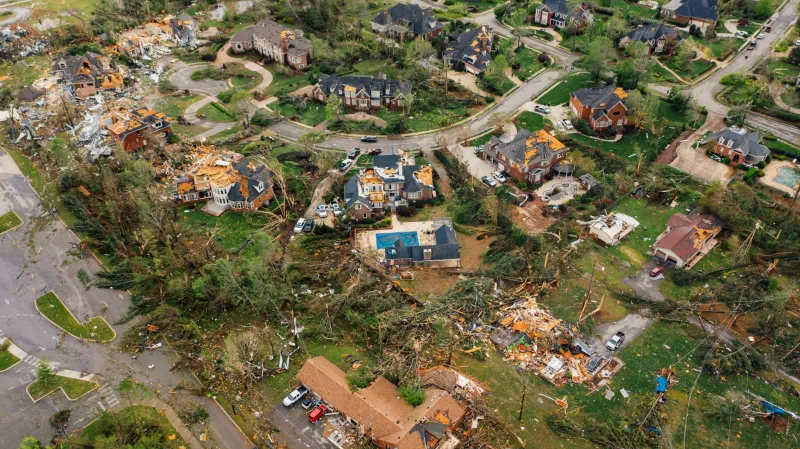
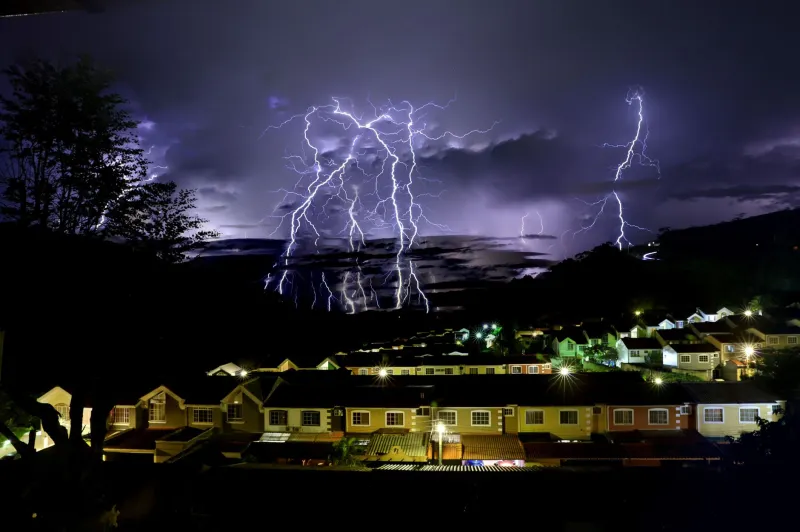
Arizona's monsoon season commands respect. Between June and September, the state's dramatic atmospheric shifts deliver intense rainfall, powerful wind gusts, and flash flooding that can overwhelm even well-prepared properties. Most homeowners understand this phase of the threat well enough to board up, sandbag, and wait out the storm.
What far fewer homeowners appreciate is what happens next—not in the hours immediately following the storm, but in the quiet days and weeks that follow, when the sky is blue, the temperature is climbing back toward triple digits, and the assumption is that the worst is over. For Arizona properties, that assumption can be extraordinarily expensive.
Understanding Arizona's Unique Atmospheric Equation
To understand why monsoon damage persists long after the rain stops, it helps to understand what makes Arizona's monsoon fundamentally different from rainfall events in other parts of the country.
For roughly nine months of the year, Arizona's air is exceptionally dry—often registering relative humidity below 15 percent. Building materials throughout the state adapt to this aridity over time. Wood framing, drywall, insulation, and even concrete reach an equilibrium moisture content calibrated to desert conditions. When a monsoon event suddenly introduces intense moisture into this environment, those materials absorb water aggressively, sometimes pulling moisture inward faster than the surface can dry.
Then, when the storm passes and Arizona's characteristic heat and low humidity return, the drying process begins—but not uniformly. Surface materials dry rapidly in the desert heat while interior building assemblies remain saturated. This disparity between surface dryness and subsurface moisture is the engine driving the delayed damage that plagues so many Arizona homes after monsoon season.
Hidden Moisture Pockets: Where the Real Danger Lives
The most common—and most consequential—form of delayed monsoon damage involves moisture that becomes trapped within building assemblies, invisible from the outside and undetectable without professional equipment.
Wall cavities are particularly vulnerable. When wind-driven rain penetrates through window frames, soffit gaps, or compromised stucco, water enters the wall assembly and saturates the insulation and wood framing within. The exterior stucco, meanwhile, may dry completely within 24 to 48 hours under Arizona's intense sun, creating a sealed surface that actually prevents the interior moisture from escaping. Weeks later, that trapped moisture continues to degrade wood framing, corrode metal fasteners, and cultivate mold growth—all completely invisible from inside or outside the home.
Roof assemblies present a similar problem. Monsoon-driven moisture that penetrates through compromised flashing, cracked tiles, or wind-damaged membrane can saturate roof decking and attic insulation. The attic environment—typically the hottest space in an Arizona home during summer—creates conditions that accelerate microbial growth while simultaneously making detection difficult. Homeowners may not notice evidence of attic moisture intrusion until staining appears on ceiling drywall, by which point substantial biological growth has often already occurred.
Structural Failures That Develop on a Delayed Timeline
Not all monsoon-related structural failures happen during the storm itself. A significant portion develop gradually, as materials weakened by moisture exposure encounter the stresses of daily use and temperature cycling.
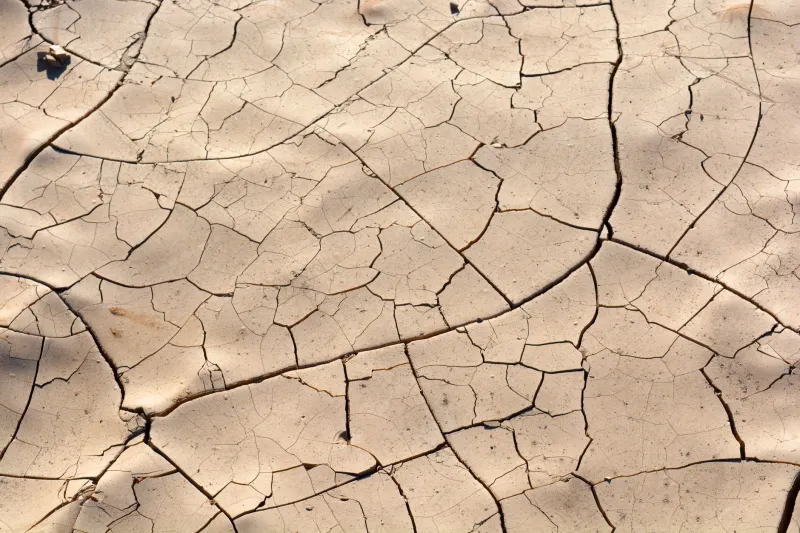
Adobe and older masonry construction, common in historic Arizona neighborhoods, is particularly susceptible to this delayed failure pattern. Adobe absorbs monsoon moisture deeply and releases it slowly. As the material dries unevenly, differential shrinkage can cause cracking that was not present immediately after the storm. In some cases, walls that appeared undamaged following a monsoon event develop significant cracking two to four weeks later as the drying process progresses.
Wood roof trusses and rafters that absorbed moisture during a storm event may show no visible deflection immediately afterward. But as the wood swells and then dries unevenly, the dimensional changes can cause fastener connections to loosen and truss geometry to shift subtly. These changes accumulate over weeks, and the resulting structural compromise may not manifest as a visible sag or creak until the following heating season places thermal stress on the already-weakened assembly.
Foundation soil movement is another delayed consequence that Arizona homeowners frequently underestimate. The expansive clay soils common throughout the Phoenix and Tucson metropolitan areas absorb monsoon moisture and swell, then contract as they dry. This cycle of expansion and contraction places significant stress on slab foundations and can cause cracking that appears weeks after the storm event that initiated the soil movement.
Mold's Delayed Arrival: A Desert Paradox
Many Arizona homeowners operate under the understandable assumption that the state's dry climate provides some natural protection against mold. This assumption is not entirely wrong—in the absence of moisture, Arizona's low humidity genuinely does inhibit mold growth. But monsoon events introduce the moisture that mold requires, and the subsequent rapid surface drying can actually mask the conditions that allow mold to establish itself in hidden locations.
Mold requires moisture, appropriate temperatures, and an organic food source. Arizona homes provide abundant organic material in the form of wood framing, drywall paper facing, and insulation. The temperature range within wall cavities and attic spaces during monsoon season falls squarely within the optimal range for common mold species. When monsoon moisture is added to this equation and then trapped by rapid surface drying, the conditions for significant mold colonization are established.
Critically, mold growth in these hidden locations typically does not produce detectable odors or visible surface staining until the colony has been developing for two to six weeks. By the time a homeowner notices musty odors or ceiling staining, the mold event is well established and remediation requirements are substantially more extensive—and expensive—than early intervention would have required.
What Homeowners Should Do After Every Monsoon Event
Given the delayed and hidden nature of post-monsoon damage, proactive inspection is far more valuable than reactive response. Following any significant monsoon event, Arizona homeowners should take the following steps regardless of whether obvious damage is visible.
Conduct a thorough exterior inspection within 24 hours of the storm, specifically examining stucco surfaces for hairline cracking, window and door frames for compromised seals, roof tiles for displacement or cracking, and soffit panels for any evidence of wind damage or water intrusion.
Inspect attic spaces for evidence of moisture—wet insulation, water staining on decking, or any visible daylight through the roof assembly. This inspection should occur within the first week following the storm, before surface drying obscures evidence of intrusion.
Monitor interior spaces for changes over the following two to four weeks. New cracks in drywall, doors that suddenly stick or swing freely, musty odors in rooms that previously had none, and ceiling discoloration are all indicators of delayed damage that warrants professional evaluation.
Schedule a professional moisture assessment if your home experienced any water intrusion during the storm, even if the affected area appears dry. Professional-grade moisture meters and thermal imaging can identify hidden moisture pockets that surface inspection cannot detect.
A-1 Recovery Services: Present for the Storm and the Weeks That Follow
At A-1 Recovery Services of Arizona, we have responded to enough monsoon-season calls to understand that the storm is often just the beginning of the story. Our post-storm assessment protocols are designed specifically to identify the delayed damage patterns that Arizona's unique climate creates—not just the obvious immediate damage that any contractor can see.
If your home experienced a monsoon event this season, do not wait for visible symptoms to seek evaluation. The most costly post-monsoon damage is the kind that develops quietly, in the spaces between your walls and above your ceilings, long after the rain has stopped and the sky has cleared.