Invisible Threats: How Arizona's Dust Events and Wildfires Leave Behind Contamination That Standard Cleaning Cannot Reach
When disaster strikes in wetter parts of the country, the damage is typically obvious. Floodwaters recede and leave a visible tideline. Storm surge deposits debris. The evidence of harm is tangible, measurable, and — in most cases — removable through established remediation protocols.
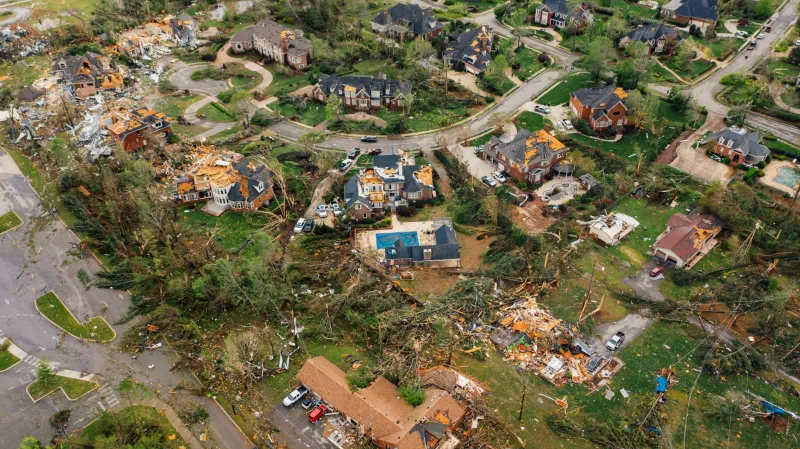
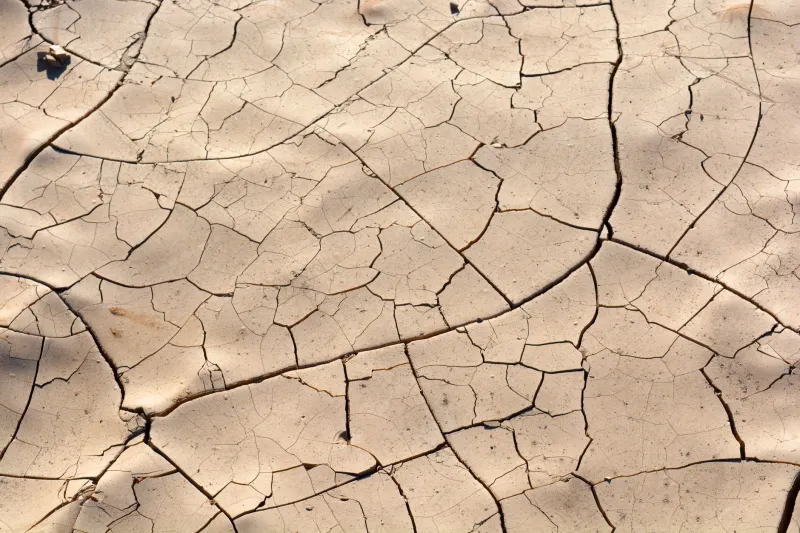
Arizona disasters operate differently. The state's defining catastrophes — haboobs that blanket entire metropolitan areas, wildfires that consume tens of thousands of acres, and drought conditions that concentrate toxins in the soil — frequently leave behind contamination that is invisible to the naked eye, undetectable without specialized equipment, and profoundly resistant to standard cleaning approaches. For homeowners and families who believe they have cleaned up after a dust event or nearby fire, the reality may be considerably more complicated.
What Arizona's Dust Storms Actually Deposit in Your Home
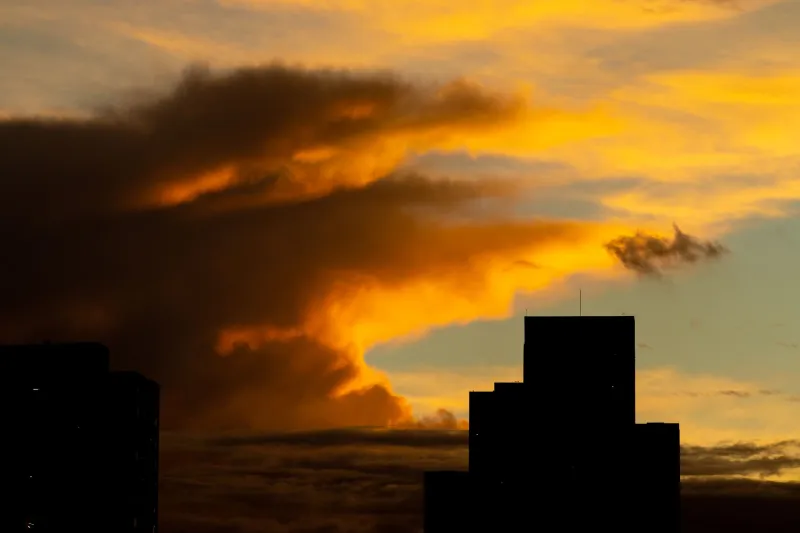
A haboob — the towering, rolling dust wall that sweeps across Arizona's desert valleys with little warning — is not simply a wall of dirt. The particulate matter carried within these storms is a complex mixture drawn from the desert floor, agricultural fields, dry lakebeds, and industrial sites across a broad geographic area.
Within that mixture, researchers and public health officials have identified a range of concerning components:
Valley Fever spores (Coccidioides). Arizona is one of the primary endemic regions in the world for coccidioidomycosis, a fungal infection caused by spores that live in the soil and become airborne during dust events. Haboobs are well-documented vectors for these spores, and exposure can cause serious respiratory illness — particularly in immunocompromised individuals, the elderly, and young children.
Heavy metals and industrial particulates. Arizona's legacy of mining and industrial activity means that dust drawn from certain regions carries elevated concentrations of arsenic, lead, and other heavy metals. These particles, once deposited on interior surfaces, do not simply vacuum away.
Agricultural chemicals. Dust originating from farming regions may carry pesticide residue, herbicide compounds, and fertilizer byproducts that settle onto food preparation surfaces, soft furnishings, and HVAC systems.
Silica particles. Fine crystalline silica, abundant in Arizona's desert soils, is a known respiratory hazard. Prolonged exposure is associated with silicosis, a serious and irreversible lung condition.
For homeowners who assume a thorough vacuuming and surface wipe-down following a haboob is sufficient, the science suggests otherwise. Fine particles — those in the PM2.5 range and smaller — penetrate deeply into upholstery, carpet fibers, HVAC ducts, and even wall cavities, where they remain indefinitely unless specifically targeted.
Wildfire Contamination: A Chemistry Problem, Not a Cleaning Problem
Wildfires in Arizona have grown in both frequency and intensity over recent decades, driven by drought conditions, invasive grass species, and shifting climate patterns. For homeowners in or near affected areas, the visible aftermath — ash, soot, and charred debris — is only part of the contamination picture.
When structures burn, they release a complex chemical soup that settles across surrounding communities. Modern homes contain dozens of synthetic materials — insulation, flooring adhesives, paint compounds, treated lumber, plastics — that produce hazardous combustion byproducts when incinerated. These include:
- Polycyclic aromatic hydrocarbons (PAHs): Carcinogenic compounds produced during incomplete combustion that adhere to soot particles and persist on surfaces.
- Dioxins and furans: Highly toxic compounds released when chlorine-containing materials such as PVC piping and vinyl flooring burn.
- Formaldehyde and benzene: Volatile organic compounds that off-gas from fire-damaged materials and can accumulate to dangerous concentrations in enclosed spaces.
- Asbestos and lead particles: Older Arizona homes disturbed by fire may release legacy building materials that are themselves regulated hazardous substances.
The smell of smoke that lingers in a home weeks after a nearby fire is not simply an aesthetic nuisance — it is evidence of ongoing chemical off-gassing. Surface cleaning with household products does not neutralize these compounds. It frequently redistributes them.
Why Standard Protocols Fall Short in Arid Disaster Scenarios
Conventional post-disaster cleaning protocols were largely developed in response to water-based emergencies. They prioritize moisture removal, mold prevention, and surface disinfection — all appropriate responses to flood events. Applied to Arizona's dry-climate contamination scenarios, however, they address the wrong problems.
Dust and wildfire contamination in an arid environment presents several characteristics that require distinctly different approaches:
Electrostatic adhesion. Fine particles in dry conditions carry significant electrostatic charge, causing them to cling to surfaces — including walls, ceilings, and electronic equipment — in ways that water-wet particles do not. Standard vacuuming with conventional equipment can actually redistribute these particles rather than removing them.
Absence of moisture as a transport mechanism. In flood scenarios, water carries contaminants to surfaces and then evaporates, leaving visible residue. In dust and fire scenarios, contamination penetrates surfaces through air pressure differentials and static charge without any liquid carrier — making it harder to identify and harder to remove.
HVAC system distribution. Arizona homes run their air conditioning systems for a significant portion of the year. During and after a contamination event, HVAC systems actively distribute particulates throughout the structure, depositing them in ductwork, on evaporator coils, and in every room of the home. Cleaning visible surfaces without addressing the HVAC system leaves a major contamination pathway unresolved.
Protecting Your Household During and After a Contamination Event
While professional remediation is the appropriate response to serious contamination events, homeowners can take meaningful precautions to limit exposure and protect their families:
- Seal the home during active dust or smoke events by closing windows and doors, and setting HVAC systems to recirculate rather than draw outside air.
- Replace HVAC filters immediately after a significant dust storm or nearby wildfire, and consider scheduling a professional duct inspection.
- Avoid using household fans that may redistribute settled particles before proper cleaning can occur.
- Consult a physician if any household member develops respiratory symptoms, persistent cough, or fever following a dust or fire event — Valley Fever in particular is frequently misdiagnosed as conventional respiratory illness.
- Request professional air quality testing before resuming normal occupancy of a home that has been significantly exposed to wildfire smoke.
The Specialized Response Arizona Homes Require
At A-1 Recovery Services of Arizona, we recognize that our state's disaster profile is unlike that of virtually any other region. The protocols and equipment we deploy for contamination remediation are calibrated specifically for Arizona's dry-climate hazards — including HEPA-rated air scrubbing systems, electrostatic surface treatment, thermal fogging for smoke odor and chemical neutralization, and comprehensive HVAC decontamination.
Our teams understand that a home can appear clean while harboring hazards that pose genuine long-term health risks. We approach every post-disaster assessment with that reality in mind, applying investigative rigor to contamination scenarios that standard cleaning services are not equipped to address.
If your home has been exposed to a significant dust event, nearby wildfire, or any combination of arid-climate hazards, the responsible path forward is professional evaluation — not reassurance based on appearance alone. Arizona's invisible threats demand a response that goes well beyond the surface.
Contact A-1 Recovery Services of Arizona to schedule a comprehensive contamination assessment and take the first step toward genuinely restoring your home to a safe and healthy condition.