Mineral Menace: How Arizona's Hard Water Turns Flood Events Into Long-Term Property Disasters
When floodwater enters an Arizona home, most homeowners understandably focus on the visible chaos: soaked drywall, ruined flooring, waterlogged furniture. What many fail to consider is the invisible chemistry happening simultaneously—a process driven by Arizona's famously hard water that can transform a manageable water event into a months-long restoration ordeal.
Arizona consistently ranks among the states with the hardest municipal water supplies in the country. Cities like Scottsdale, Mesa, and Tucson regularly record water hardness levels exceeding 300 parts per million, well above the 120 ppm threshold considered "very hard" by industry standards. Under normal household conditions, this mineral-laden water is a nuisance. During a flood, it becomes a structural threat.
What Makes Arizona Water So Mineral-Heavy?
Arizona draws a significant portion of its water supply from the Colorado River and local groundwater aquifers, both of which pass through limestone and calcium-rich geological formations. As water moves through these formations over centuries, it absorbs calcium carbonate, magnesium, and various trace minerals. By the time that water reaches your pipes—or your living room during a flood—it carries a substantial mineral payload.
Under ordinary circumstances, this results in familiar household annoyances: white scale buildup on faucets, shortened appliance lifespans, and soap that doesn't lather well. But when flooding introduces large volumes of this water throughout your home, the consequences escalate dramatically.
The Deposit Problem: What Minerals Leave Behind
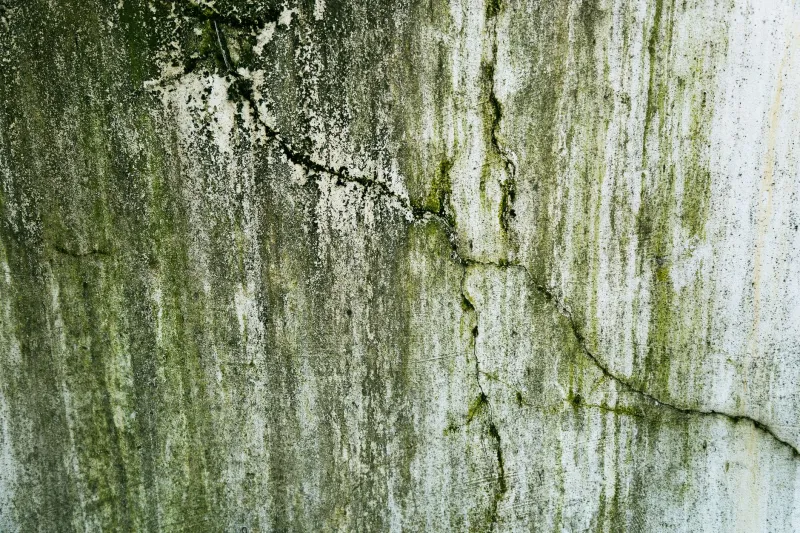
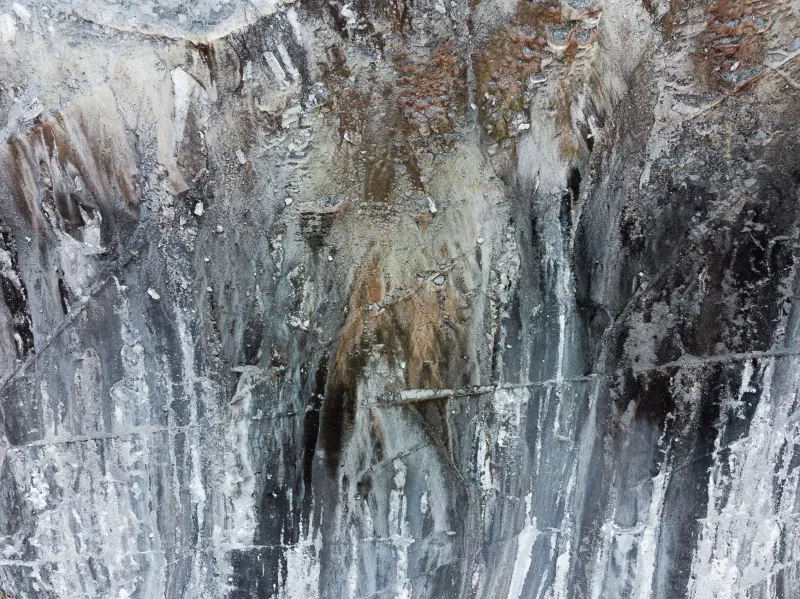
As floodwater recedes and evaporation begins, the water itself disappears—but the minerals it carried do not. They are deposited directly onto every surface the water contacted: subfloor wood, concrete slabs, drywall paper facing, tile grout, and HVAC ductwork.
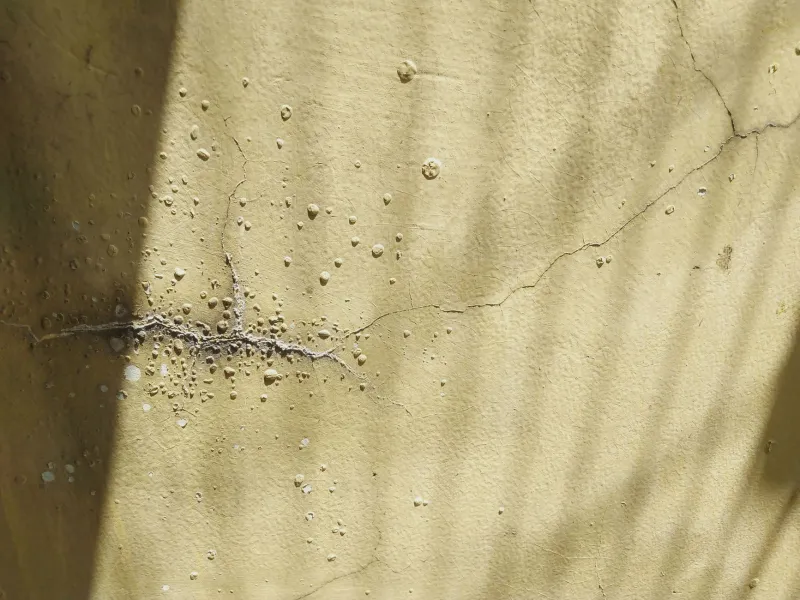
These mineral deposits, primarily calcium carbonate and magnesium silicate, create a fine crystalline crust that is both chemically reactive and physically abrasive. On porous materials like drywall and wood, the deposits penetrate beneath the surface during the flood and then expand slightly as they dry and crystallize. This expansion causes micro-fracturing in materials that might otherwise have survived the water event with proper drying.
On concrete slabs and tile, mineral deposits seal the surface in a way that actually traps residual moisture beneath, slowing evaporation and creating ideal conditions for mold colonization. Standard moisture meters used by inexperienced contractors may read the surface as dry while significant moisture remains locked beneath the mineral crust—a diagnostic error with serious long-term consequences.
Accelerated Material Degradation
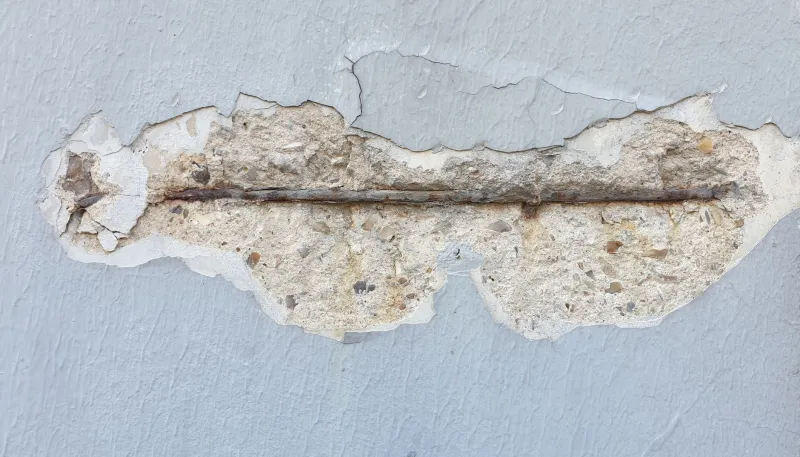
The corrosive potential of hard water deposits is particularly pronounced on metal components throughout your home. Electrical conduit, plumbing connections, HVAC components, and structural fasteners all experience accelerated oxidation when coated with mineral residue. The calcium and magnesium compounds left by evaporating floodwater create a mildly alkaline environment on metal surfaces that promotes rust formation at a rate significantly faster than clean water exposure would produce.
Steel floor joists, anchor bolts, and metal corner beads in drywall assemblies are especially vulnerable. In a standard water damage scenario with soft water, these components might show minimal corrosion after a brief flood event. With Arizona's hard water residue, the same components can show measurable oxidation within days—compromising structural integrity in ways that may not become apparent until months after the initial event.
Wood framing presents a different but equally serious problem. Calcium deposits that penetrate wood grain can interfere with the wood's natural ability to regulate moisture, disrupting the drying process and potentially causing warping, cupping, or checking in structural lumber that would otherwise have dried successfully.
Why Standard Restoration Protocols Fall Short in Arizona
Restoration companies operating primarily in regions with soft water develop protocols calibrated to different post-flood chemistry. Their drying timelines, moisture measurement techniques, and material assessment criteria are designed around the behavior of water that evaporates cleanly, leaving little behind.
In Arizona, those same protocols can produce dangerously incomplete results. Drying timelines that work in Seattle or Atlanta may underestimate the moisture retention caused by mineral-sealed surfaces. Material salvageability assessments that rely on surface moisture readings alone miss the subsurface conditions created by mineral infiltration.
A-1 Recovery Services of Arizona has developed restoration approaches specifically calibrated to the state's water chemistry. This includes extended drying protocols for mineral-affected materials, surface treatment procedures that address crystalline deposits before they trap residual moisture, and corrosion assessment for metal components that goes beyond standard visual inspection.
Practical Steps Arizona Homeowners Can Take
While professional intervention is ultimately necessary for comprehensive flood recovery, there are steps homeowners can take immediately following a water event to limit the compounding effects of hard water minerals.
Document everything before any drying begins. Photograph and video all affected areas, paying particular attention to water lines on walls—these marks will show the adjuster exactly where mineral-laden water reached and help establish the full scope of affected materials.
Avoid using fans or heat to accelerate drying before professionals arrive. Rapid surface evaporation without proper moisture management causes minerals to crystallize faster and in higher concentrations on material surfaces, making subsequent treatment more difficult.
Note any white or chalky residue appearing on surfaces as water recedes. This is direct visual evidence of mineral deposition and should be documented photographically. This evidence supports more thorough material replacement claims with your insurance carrier.
Request a water chemistry assessment from your restoration contractor. A qualified Arizona restoration professional should account for local water hardness in their scope of work, including appropriate surface treatments and extended drying schedules.
The Long View on Arizona Water Damage
Property recovery in Arizona is not simply a matter of extracting water and running dehumidifiers. The mineral content of Arizona's water supply creates a secondary layer of damage that unfolds over days and weeks, long after the obvious signs of flooding have been addressed. Homes that appear restored on the surface may harbor hidden corrosion, compromised structural fasteners, and moisture-trapping mineral crusts that will generate costly problems for years to come.
At A-1 Recovery Services of Arizona, our understanding of the state's unique water chemistry informs every phase of our restoration process. From initial assessment through final clearance testing, we account for the ways Arizona's hard water compounds the damage that floods and water events create—because restoring your home properly means understanding not just the water that entered it, but what that water carried with it.
If your Arizona home has experienced a water event, contact A-1 Recovery Services for a comprehensive assessment that accounts for the full scope of what local water chemistry can do to your property.